
The global construction chemicals industry enters the second half of 2026 with steady momentum. Markets for redispersible polymer powder (RDP) and cellulose ethers continue to expand, driven by infrastructure investment across Asia-Pacific, rising adoption of dry-mix mortar systems, and tightening environmental regulations that favor high-performance additives. Here is a data-driven look at where the industry stands and where it is heading.
RDP Market: Asia-Pacific Dominates, Tile Adhesives Lead Demand
The global redispersible polymer powder market continues its consistent growth trajectory in 2026. According to Mordor Intelligence, the market was valued at USD 1.87 billion in 2025 and is projected to reach USD 1.97 billion in 2026, rising to approximately USD 2.59 billion by 2031 at a compound annual growth rate (CAGR) of 5.60%. Grand View Research offers an even more bullish outlook, forecasting growth at a CAGR of 8.6% through 2033.
The Asia-Pacific region commands the largest share of the RDP market at 45.55% and is also the fastest-growing region with a CAGR of 5.84%. This dominance is fueled by China’s carbon neutrality roadmap and India’s ambitious housing programs, with regional consumption exceeding 60% of the global total.
By application, tile adhesives remain the single largest segment, accounting for 37.74% of market revenue. The segment benefits from urban renovation projects across the EU and large-scale property upgrades in Chinese metropolitan areas. Notably, the External Thermal Insulation Composite Systems (ETICS) segment is growing the fastest at a CAGR of 6.52%, reflecting tightening building energy codes worldwide.
On the end-user side, residential construction represents 44.35% of RDP consumption, while the infrastructure segment is growing quickest at a CAGR of 5.98%, supported by government spending on bridges, highways, and public facilities.
Industry leaders Wacker Chemie, Celanese, BASF, Dow, and Synthomer continue to dominate the competitive landscape. VAE (vinyl acetate-ethylene) copolymer-based RDP remains the mainstream standard, with manufacturers increasingly focused on low-VOC formulations and enhanced water resistance to meet evolving regulatory requirements.
Cellulose Ethers: The Price Equation in 2026
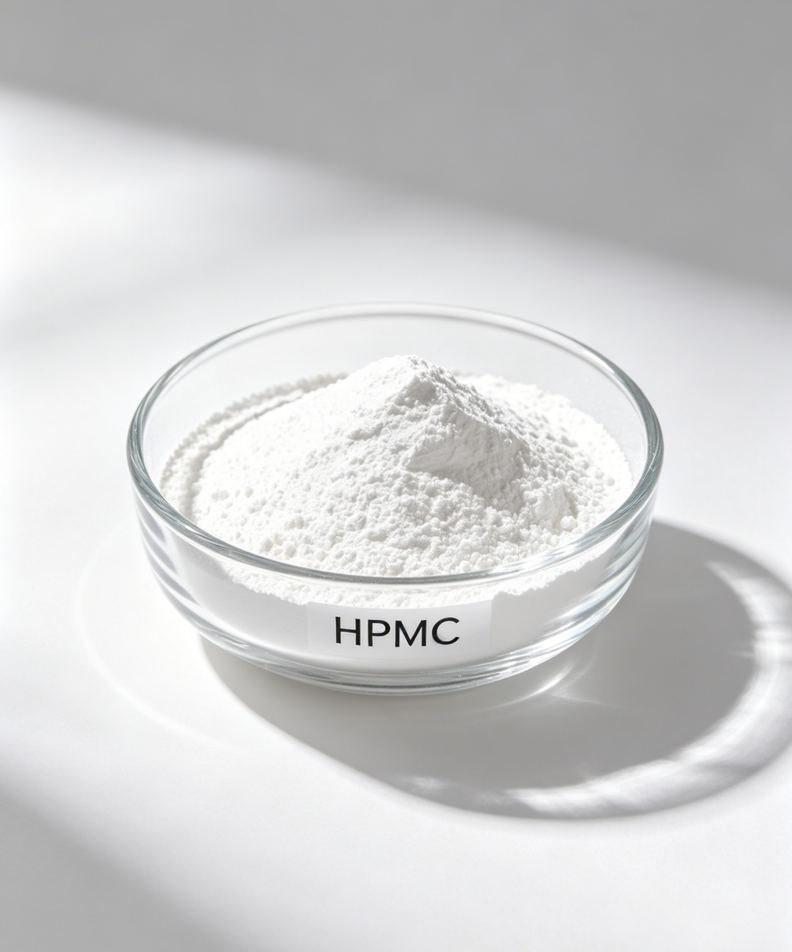
The cellulose ether market — encompassing HPMC, HEMC, MHEC, and HEC — is navigating a complex cost environment in 2026. Industry analysts describe the market as resting on a three-legged stool of raw material costs, energy prices, and global logistics — any disruption to one leg shifts the entire pricing structure.
Raw material pressures remain the single largest price driver. Cotton linters, the primary plant-based feedstock for cellulose ethers, are vulnerable to crop yield fluctuations. Poor harvests create immediate supply tightness, with factories competing for remaining stocks and driving up base cellulose costs. Meanwhile, propylene oxide and methyl chloride — the chemical agents required to etherify natural cellulose — remain tightly linked to petroleum markets, where any supply disruption causes rapid price escalation.
The energy transition is introducing what analysts call a green premium into cellulose ether production costs. Manufacturing HPMC and its derivatives requires extreme temperatures and pressures, making it highly energy-intensive. As governments phase out cheap coal-fired power in favor of cleaner but more expensive alternatives, electricity costs are rising across major production hubs in Asia. While this adds to per-ton production costs, the upside is greater supply reliability: manufacturers upgrading to cleaner energy face fewer risks of government-mandated shutdowns for pollution violations.
An important market development in 2026 is the cost-driven shift toward MHEC (methyl hydroxyethyl cellulose) as a viable alternative to HPMC in certain applications. MHEC demonstrates comparable water retention in both indoor and outdoor applications while offering better thickening stability under extreme summer temperatures — and at a generally more economical price point. Procurement managers are increasingly evaluating MHEC substitution where specifications allow, particularly for everyday construction applications.
Compounding the supply picture, pharmaceutical-grade HPMC demand is absorbing significant production capacity. Producing ultra-pure, food- and pharma-grade cellulose ethers requires extended processing times, which reduces overall plant throughput. When manufacturers prioritize higher-margin pharmaceutical contracts, industrial-grade buyers face tighter supply conditions and longer lead times.
Green Building: The Structural Shift Reshaping Additives
The drive toward sustainable construction is proving to be a structural rather than cyclical force in 2026. Government energy-efficiency mandates — contributing an estimated +0.7% to annual RDP market growth — are accelerating the shift from traditional site-mixed mortar to factory-produced dry-mix mortar systems, which inherently require higher additive loadings for consistent performance.
This transition is most visible in the following areas:
- Thermal insulation: ETICS and external wall insulation systems are becoming mandatory in an increasing number of building codes, driving demand for polymer-modified adhesive mortars and base coats.
- Low-carbon concrete: Superplasticizers (particularly polycarboxylate ether-based) are enabling significant cement reduction in concrete mixes, directly lowering embodied carbon while maintaining workability and strength.
- 3D printing concrete: An emerging application contributing +0.4% to overall market growth, 3D-printed construction requires precisely engineered polymer binders and rheology modifiers to achieve printable, buildable mixes.
- Bio-based innovations: Manufacturers are exploring cellulose ethers derived through less energy-intensive processes and bio-based polymer alternatives that reduce dependence on petrochemical feedstocks.
The green building movement is also sharpening customer expectations around product documentation and transparency. Comprehensive Certificates of Analysis (COAs), verified raw material sourcing, and documented environmental profiles are becoming baseline requirements rather than differentiators.
Key Trends to Watch in H2 2026
Several themes will define the second half of 2026 for construction chemical professionals:
- Early contract locking: With raw material and energy costs remaining volatile, forward-thinking buyers are securing supplier contracts earlier in the cycle to insulate budgets from mid-year price adjustments.
- Formulation customization: Customers increasingly demand tailored additive packages optimized for specific local climates, application methods, and substrate conditions — moving away from one-size-fits-all solutions.
- Supply chain resilience: Global shipping disruptions continue to extend delivery lead times from weeks to months in some corridors, making supplier logistics capabilities a critical selection criterion.
- VOC compliance tightening: Stricter volatile organic compound regulations in Europe and North America are pushing formulators to accelerate development of ultra-low-VOC polymer powders and liquid admixtures.
- Waterproofing focus: Rising demand for high-performance waterproofing mortars is creating new opportunities for specialized RDP grades with enhanced water resistance and adhesion to difficult substrates.
Looking Ahead
At mid-2026, the construction chemicals sector presents a picture of measured, sustainable growth. The RDP market continues its steady upward trajectory, cellulose ether producers are navigating the cost implications of the energy transition, and green building regulations are cementing the role of high-performance additives as essential rather than optional components in modern construction.
For industry participants, success in the current environment demands a balanced approach: managing input cost volatility through strategic procurement, investing in product innovation that aligns with tightening environmental standards, and maintaining the supply chain flexibility to serve a geographically diverse customer base.
At Hosechem, we are committed to supplying premium-quality construction chemicals — including cellulose ethers (HPMC, HEMC, HEC) and redispersible polymer powder (RDP) — that meet the evolving demands of the global building materials industry. Contact our team today to discuss how our products can support your next project.