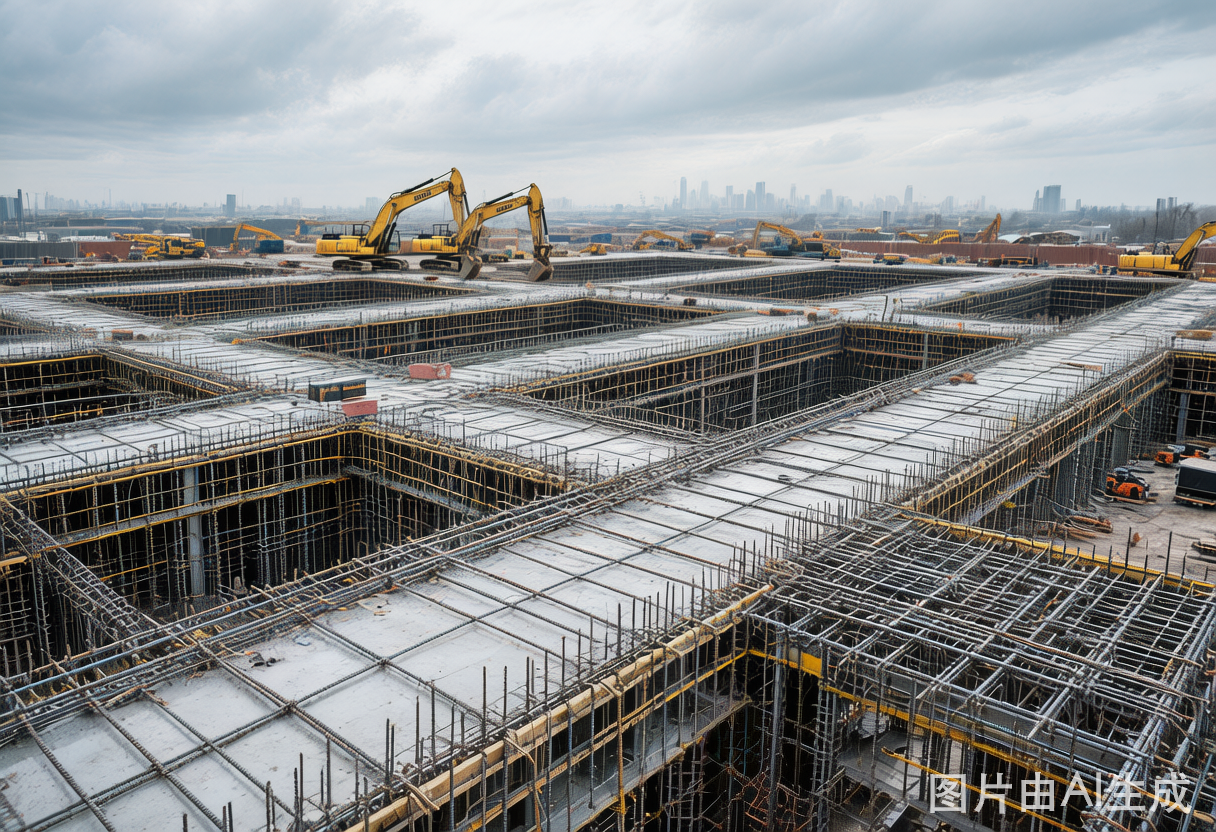
The global construction chemicals industry is witnessing a significant shift toward integral waterproofing solutions, driven by accelerating green building standards and the growing demand for durable infrastructure worldwide.
Market Growth and Key Drivers
The green building materials market is projected to surpass $190 billion by 2036, expanding at a compound annual growth rate (CAGR) of over 10% from 2024 to 2036, according to industry research. This expansion is fueled by stringent environmental regulations, rapid urbanization in emerging economies, and an increasing focus on sustainable construction practices.
Waterproofing admixtures have emerged as a critical component in this growth story. Unlike traditional surface-applied membranes that can degrade over time, integral waterproofing admixtures are mixed directly into concrete, providing long-lasting protection from within the structure itself.
Crystalline Waterproofing Technology Leads the Way
Among the various types of waterproofing admixtures, crystalline waterproofing technology has gained particular traction. These admixtures work by reacting with water and cement particles to form insoluble crystalline structures that block capillary pores and micro-cracks within the concrete matrix.
The technology offers several advantages over conventional waterproofing methods:
- Self-sealing capability — crystals continue to grow when exposed to moisture, automatically sealing new cracks that develop over time
- Permanent protection — unlike membrane coatings, crystalline waterproofing becomes an integral part of the concrete structure
- Chemical resistance — effective against sulfate attack, chloride ingress, and other aggressive chemicals
- Environmentally friendly — reduces the need for additional surface treatments and repair works, lowering the overall carbon footprint of construction projects
Top Companies Shaping the Market
The concrete chemical waterproofing admixture market is highly competitive, with several major players driving innovation. Leading companies include Sika AG, BASF SE, GCP Applied Technologies, Mapei S.p.A., Fosroc (part of CRH plc), Xypex Chemical Corporation, Kryton International, PENETRON International, and Aquafin Inc.
These companies are investing heavily in research and development to create next-generation admixtures that meet increasingly demanding performance standards while complying with environmental regulations. Product innovations include nanotechnology-enhanced waterproofing agents, bio-based admixture formulations, and multi-functional products that combine waterproofing with other properties such as shrinkage reduction and corrosion inhibition.
From Surface Membranes to Integral Solutions
A notable trend in the industry is the shift from surface-applied waterproofing membranes to integral waterproofing admixtures. This transition is driven by several factors:
First, integral waterproofing eliminates the risk of membrane damage during backfilling and construction activities. Second, it provides more reliable protection in complex structures where membrane application is difficult, such as below-grade foundations, tunnels, and water retention structures. Third, it reduces construction time and labor costs by eliminating a separate waterproofing application step.
Architects and engineers are increasingly specifying integral waterproofing admixtures in their project designs, particularly for critical infrastructure projects where water ingress can lead to costly structural damage and safety concerns.
Regional Market Dynamics
The Asia-Pacific region remains the fastest-growing market for construction chemicals and waterproofing admixtures, driven by massive infrastructure development programs in China, India, and Southeast Asian nations. The Middle East and Africa region is also experiencing strong demand, particularly in the Gulf Cooperation Council (GCC) countries where mega-projects continue to drive construction activity.
In North America and Europe, growth is being driven by infrastructure renewal programs, the renovation of aging water and wastewater facilities, and the adoption of more stringent building codes that require enhanced durability and waterproofing performance.
Looking Ahead
As the construction industry continues to prioritize sustainability, durability, and lifecycle cost reduction, the demand for advanced waterproofing admixtures is expected to remain strong. Companies that can deliver innovative, environmentally responsible solutions while maintaining competitive pricing will be well-positioned to capture market share in this growing sector.
The convergence of green building certification programs, such as LEED and BREEAM, with advances in waterproofing technology is creating new opportunities for manufacturers and suppliers of construction chemicals worldwide.