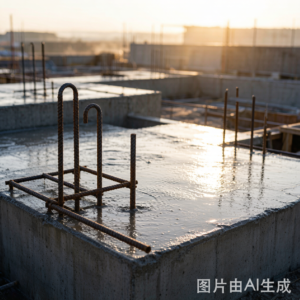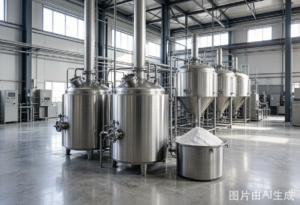
Hydroxypropyl Methylcellulose (HPMC) serves as a versatile additive across the construction, pharmaceutical, and food industries. Its functional performance is governed by key parameters, including viscosity profiles, molecular weight distribution, and the degree of substitution (DS).

These tailored variations optimize specific grades for dedicated applications. In the construction sector, HPMC significantly enhances water retention and open-time workability within cementitious mortars, plasters, and tile adhesives. For pharmaceutical applications, it serves as an excellent film-former for tablet coatings and a precise matrix for controlled-release drug delivery systems.
Selecting the appropriate HPMC specification is paramount to achieving optimal formulation efficacy. This comprehensive guide is designed to provide technical insights and selection criteria to streamline your procurement and formulation processes.
Product Overview: What is HPMC?
Hydroxypropyl Methylcellulose (HPMC) is a non-ionic, water-soluble cellulose ether. Physically, it presents as an odorless, non-toxic, white or off-white powder/granular substance. Upon dissolution in cold water, it hydrates to form a transparent or slightly turbid, viscous colloidal solution.
Derived from natural plant cellulose, Hydroxypropyl Methylcellulose (HPMC) is a semi-synthetic polymer engineered through a precise chemical process known as etherification. This macromolecular modification yields distinct grades characterized by varying molecular weights, degrees of substitution, and rheological properties. Moving forward, this article will primarily focus on the classification and applications of HPMC based on its viscosity profiles.
HPMC Grades Classification
Classification by Viscosity
HPMC grades are primarily classified by their viscosity profiles, typically categorized into low (LV), medium (MV), and high (HV) viscosity ranges. Viscosity values are standardly designated in centipoise (cP) or millipascal-seconds (mPa·s). Distinct viscosity thresholds correlate directly with specific physical performance metrics and application suitability.
Low Viscosity (LV): Characterized by a lower molecular weight, LV grades are engineered for applications demanding minimal thickening but exceptional leveling and film-forming capabilities. Ideal use cases include premium surface coatings, emulsion paints, and specialized water-based adhesives.
Medium Viscosity (MV): Delivering balanced rheological control, MV grades are predominantly utilized where an optimal equilibrium between viscosity modification and fluid flow is mandatory, such as in binder systems and solid-dosage pharmaceutical formulations (e.g., sustained-release matrices).
High Viscosity (HV): Possessing an elevated molecular weight, HV grades generate robust, high-viscosity structural networks. They are indispensable for heavy-duty construction materials—such as premium tile adhesives, cementitious mortars, and external plasters—where maximum water retention and sag resistance are critical.
HPMC (Hydroxypropyl Methylcellulose) is available in various viscosity grades, each offering unique properties for different applications and uses.
- Construction Grade HPMC (Viscosity Range: 400 to 200,000mPas)In the construction and dry-mix mortar industries, HPMC serves as an indispensable functional additive for cement, plaster, lime-based formulations, and grouts. It imparts several critical performance advantages:Enhanced Water Retention: Significantly minimizes water loss in the slurry, ensuring complete cement hydration and preventing premature drying or cracking.Optimized Rheology & Consistency: Improves the body and anti-sag properties of building materials, making application smoother and more efficient.Superior Stabilization & Homogeneity: Prevents phase separation, bleeding, and sedimentation of the mix, ensuring uniform performance throughout the substrate.Excellent Emulsification & Binding: Enhances the internal cohesion and interfacial adhesion of the formulation.
Primary Application Scenarios:
C1/C2 Tile Adhesives & Grouts: (High viscosity grades provide critical sag resistance and extended open time for heavy tile installations).
Underlayment Self-Leveling Compounds: (Low-to-medium viscosity grades offer excellent fluidity, high water retention, and self-smoothing capabilities).
Architectural Paints & Coatings: (Acts as a premium thickener and protective colloid, enhancing spatter resistance and shelf stability).
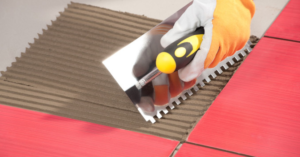

Below is a curated selection of our most widely specified and high-performance HPMC grades developed for the construction sector.
| Applications | HS-M04T | HS-M4K | HS-M40K | HS-M75K | HS-M100K | HS-M150K | HS-M200K |
| Tile Adhesives | ●● | ●● | ●●● | ●●● | ●● | ||
| Wall Putty&Skim Coat | ● | ●● | ●●● | ●● | ● | ||
| EIFS/ETICS | ●● | ●●● | ●●● | ●●● | |||
| Self-leveling Compounds | ●●● | ● | |||||
| Tile Grouts/Joints Filler | ●● | ●●● | ●● | ●● | ●● | ●● | |
| Grouts | ●●● | ●● | ●● | ||||
| Repair Mortar | ●●● | ●● | ● | ● | ● | ● | |
| Plasters/Render | ●●● | ●● | ●● | ●● | ● | ||
| Waterproofing Mortar | ●● | ●●● | ●● | ●● | ●●● | ||
| Ceramics | ●●● |
Backed by over a decade of deep-rooted expertise in construction chemicals,
HoseChem continuously refines our polymer formulations to match evolving market
demands and precise client specifications. We are fully equipped to deliver tailored,
application-specific HPMC grades that optimize your end-product
performance—discover our technical solutions or request a tailored consultation
today.
Classification by Molecular Weight
The macromolecular weight of HPMC polymer generally ranges from approximately 10,000 to 1,500,000 g/mol, a critical metric that directly dictates its physicochemical properties, including hydration rates, thermal gelation, and cohesive film-forming capabilities. Furthermore, molecular weight is the primary driver behind the mechanical bond strength and rheological viscosity of the resultant aqueous solutions.
– High molecular weight HPMC is engineered for heavy-duty applications requiring exceptional high-viscosity structural networks and superior water retention, serving as an indispensable performance enhancer for advanced cementitious formulations and specialized technical mortars, while delivering robust film integrity and enhanced enzymatic stability.
– Conversely, low molecular weight HPMC is optimized for formulations demanding minimal viscosity interference and high fluidity, making it the ideal additive to ensure excellent leveling, open time, and workability in industrial paints, structural adhesives, and self-leveling underlayments.
Classification by Degree of Substitution (DS)
The degree of substitution (DS) within Hydroxypropyl Methylcellulose (HPMC) denotes the average number of hydroxyl groups on the cellulose backbone that have been etherified by methoxyl and hydroxypropoxyl functional groups, fundamentally defining the polymer’s physicochemical behavior in formulation matrixes. For instance, an optimized, higher degree of substitution significantly enhances chemical solubility, boosting its efficiency in viscosity modification, emulsion stabilization, and film-forming integrity—critical parameters for maximizing performance and workability in industrial construction chemicals, food systems, and pharmaceutical matrixes. In commercial trade, HPMC is systematically categorized into three premium types—K, E, and F series—each representing a distinct chemical equilibrium between methoxyl and hydroxypropoxyl substitution levels. As a technical benchmark, while commercial grades such as HPMC K4M, E4M, and F4M all deliver an identical nominal viscosity of 4,000 mPa·s (cP), their underlying chemical substitution ratios differ substantially, directly influencing key cross-industry performance factors such as thermal gelation thresholds, water-retention dynamics, and structural adhesion.
Selection of HPMC Grades
1.Technical Criteria for Tailoring HPMC Grade Selection to Specific Formulation Requirements.
Primary considerations encompass the targeted viscosity profile, film-forming integrity, water-retention efficiency, and chemical compatibility within the multi-ingredient system. Furthermore, it is critical to evaluate processing parameters such as system pH, thermal fluctuations, and operational compounding conditions.
For instance, under elevated summer temperatures or in arid climates, the hydration moisture within cementitious mortars undergoes rapid evaporation, which necessitates an HPMC grade with superior water-retention dynamics. In such demanding environments, higher-viscosity HPMC is typically specified to ensure optimal moisture preservation and prevent premature cracking, whereas in lower-temperature winter conditions, low-to-medium viscosity grades can be utilized to optimize workability and fluidity without compromising open time.
- Leveraging Technical Consultations for Precision Grade Selection
Prior to commercial procurement, we highly recommend consulting with qualified formulation engineers or industry technical experts, such as the specialist team at HoseChem. Our technical consultants are fully equipped to diagnose your specific application challenges and recommend the optimum HPMC specification, backed by rigorous compatibility matrices and performance testing to guarantee maximum product efficacy. Contact our technical department today to explore engineered solutions or to REQUEST YOUR COMPLIMENTARY TECHNICAL SAMPLES.
Summary
Driven by continuous technological advancements, the potential for further innovation in HPMC macromolecular performance remains vast, promising a continuous evolution of high-efficiency grades. Furthermore, precise HPMC grade specifications and functional formulations often vary depending on proprietary manufacturing technologies and customized product requirements. Consequently, it is highly advisable to collaborate directly with a reputable, technologically advanced HPMC manufacturer and supplier, such as HoseChem, to receive authoritative guidance on grade matching and formulation optimization.
We trust this technical overview provides you with a deeper understanding of distinct HPMC viscosity grades and their targeted industrial applications. Should you require further technical clarification or detailed specifications, please do not hesitate to contact our specialist team. We look forward to partnering with you to identify and deliver the optimum HPMC solution for your business!